Irezumi vs. Neo-Japanese: Understanding the Evolution

Is it still Irezumi if it has 3D depth and neon colors? We dive deep into the evolution of Japanese tattooing, comparing the centuries-old rules of traditional Irezumi with the boundary-pushing freedom of the Neo-Japanese style. Discover which aesthetic fits your next project.
Tradition Meets Innovation: What Really Sets Neo-Japanese Apart from Classic Irezumi?

The Roots: Traditional Irezumi

Traditional Japanese tattooing, or Irezumi, is governed by strict rules that have been refined over centuries. It’s not just about the subject; it’s about the structure.

The Background: In classic Irezumi, the Gakubori (background) is just as important as the main motif. Elements like wind curls, clouds, and water are stylized in a very specific, flattened way.

The Flow: It follows the muscle structure of the body but remains somewhat two-dimensional, prioritizing bold outlines and heavy, solid black shading.

Symbolism: You won’t see a dragon paired with cherry blossoms from a different season. Tradition dictates a strict harmony with nature and folklore.

The Evolution: Neo-Japanese

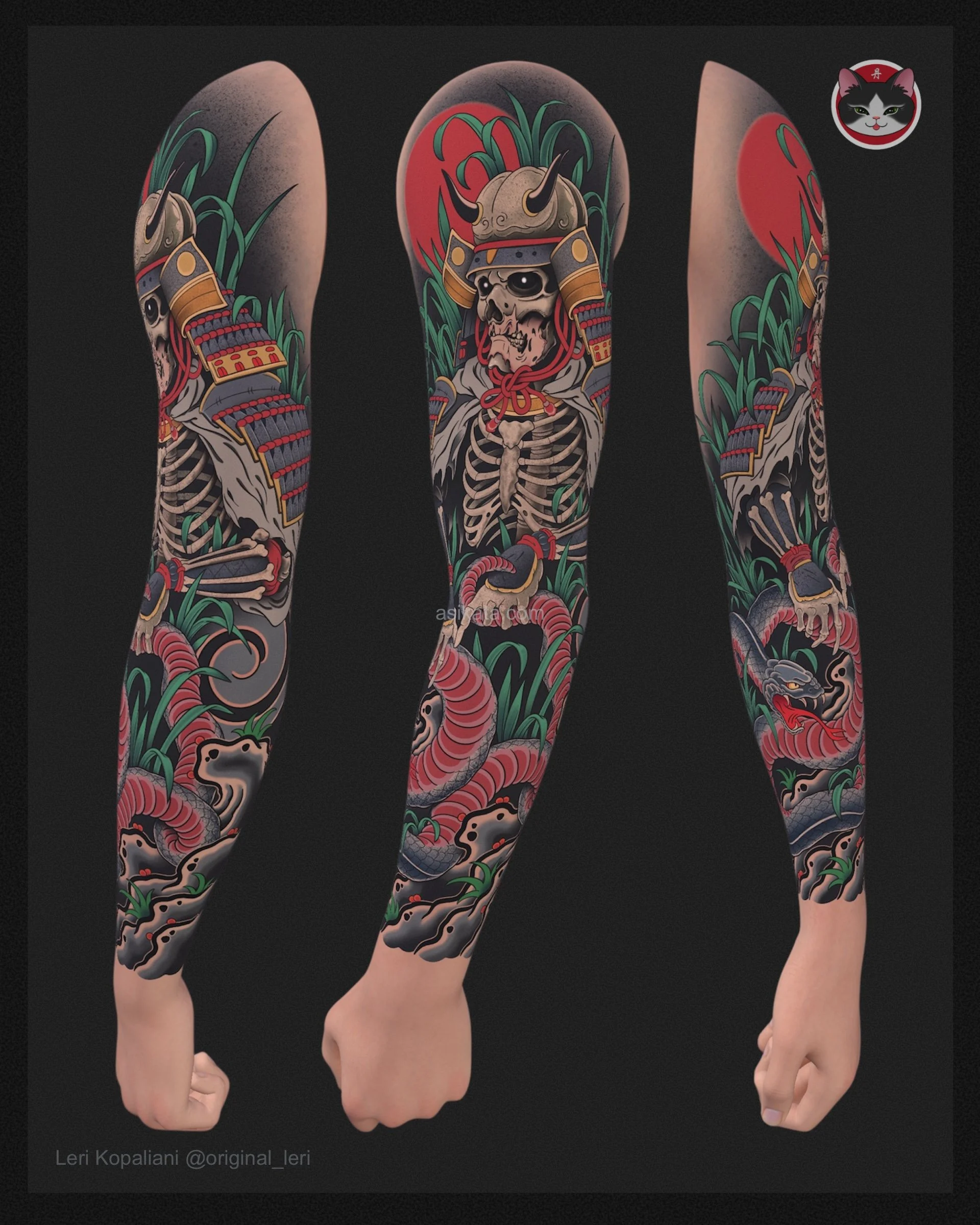
Neo-Japanese takes those ancient foundations and injects them with modern artistic freedom. This is the space where I personally love to push boundaries.

Depth and Realism: Unlike the flat look of traditional work, Neo-Japanese embraces 3D perspective, dynamic lighting, and realistic textures. We use varying line weights to create a sense of distance and focus.

Color Palette: While traditional work sticks to a limited palette (reds, blacks, greens), Neo-Japanese has no limits. We use vibrant gradients, neon highlights, and experimental color theory.

Subject Fusion: In Neo-Japanese, we can blend classic motifs with pop culture, tech-wear aesthetics, or even biomechanical elements, creating a "New School" vibe that still respects the flow of the original style.

Which One Should You Choose?

Choosing between the two comes down to the "vibe" of the piece.

• If you want a timeless, powerful silhouette that honors centuries of history, Traditional is the way to go.

• If you want a dynamic, high-detail piece that looks like it’s jumping off the skin with modern energy, Neo-Japanese is your territory.

Closing Thought:

Whether it’s a strict traditional piece or a boundary-pushing Neo-Japanese design, the key is the flow. A good tattoo should move with the body, regardless of how modern the rendering is.

Read More

The Master Guide to Symbolism

Explore the profound world of Japanese Irezumi. Discover the true koi fish tattoo meaning, the legend of the Dragon Gate, and the timeless power of traditional japanese tattoo symbols.

Decoding Japanese Tattoo Symbols: The Real Meaning of the Koi Fish

When commissioning a custom piece, understanding the story behind the art is as important as the design itself. Japanese tattoo symbols are rooted in centuries of folklore, with each motif carrying a specific weight.

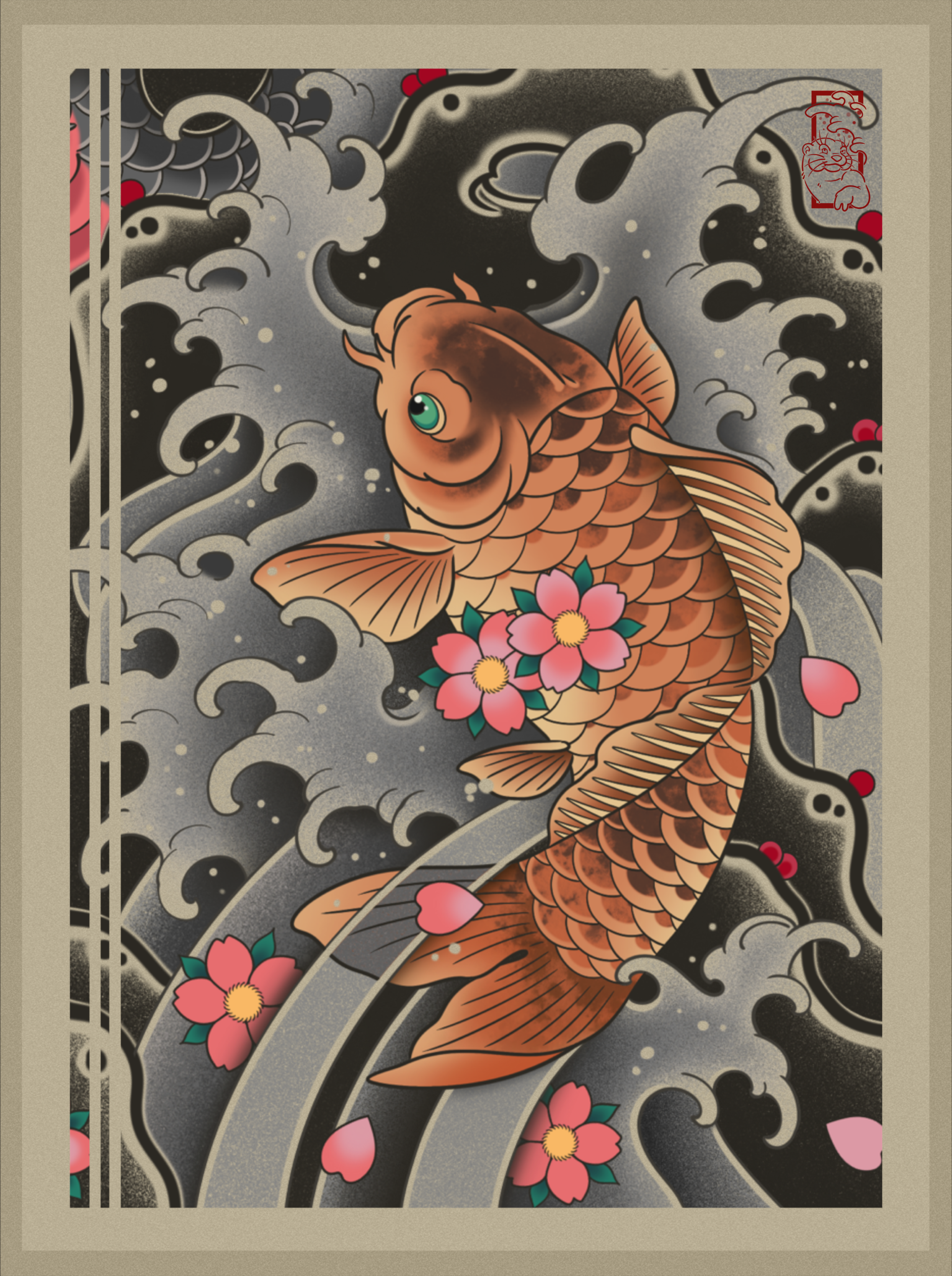
Perhaps the most iconic is the Koi. The koi fish tattoo meaning centers on perseverance. According to legend, a koi that successfully swims upstream and leaps through the "Dragon Gate" is transformed into a celestial dragon. This makes it the ultimate symbol for overcoming adversity and personal growth.

In my work, I focus on the flow of these motifs, ensuring that a dragon or a koi doesn't just sit on the skin, but moves with the musculature. Whether you are looking for a traditional backpiece or a neo-japanese sleeve, choosing the right symbols is the first step in creating a legacy piece.

Read More