Irezumi vs. Neo-Japanese: Understanding the Evolution
Tradition Meets Innovation: What Really Sets Neo-Japanese Apart from Classic Irezumi?
The Roots: Traditional Irezumi
Traditional Japanese tattooing, or Irezumi, is governed by strict rules that have been refined over centuries. It’s not just about the subject; it’s about the structure.
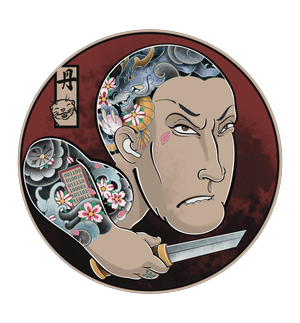
• The Background: In classic Irezumi, the Gakubori (background) is just as important as the main motif. Elements like wind curls, clouds, and water are stylized in a very specific, flattened way.
• The Flow: It follows the muscle structure of the body but remains somewhat two-dimensional, prioritizing bold outlines and heavy, solid black shading.
• Symbolism: You won’t see a dragon paired with cherry blossoms from a different season. Tradition dictates a strict harmony with nature and folklore.
The Evolution: Neo-Japanese
Neo-Japanese takes those ancient foundations and injects them with modern artistic freedom. This is the space where I personally love to push boundaries.
• Depth and Realism: Unlike the flat look of traditional work, Neo-Japanese embraces 3D perspective, dynamic lighting, and realistic textures. We use varying line weights to create a sense of distance and focus.
• Color Palette: While traditional work sticks to a limited palette (reds, blacks, greens), Neo-Japanese has no limits. We use vibrant gradients, neon highlights, and experimental color theory.
• Subject Fusion: In Neo-Japanese, we can blend classic motifs with pop culture, tech-wear aesthetics, or even biomechanical elements, creating a "New School" vibe that still respects the flow of the original style.
Which One Should You Choose?
Choosing between the two comes down to the "vibe" of the piece.
• If you want a timeless, powerful silhouette that honors centuries of history, Traditional is the way to go.
• If you want a dynamic, high-detail piece that looks like it’s jumping off the skin with modern energy, Neo-Japanese is your territory.
Closing Thought:
Whether it’s a strict traditional piece or a boundary-pushing Neo-Japanese design, the key is the flow. A good tattoo should move with the body, regardless of how modern the rendering is.